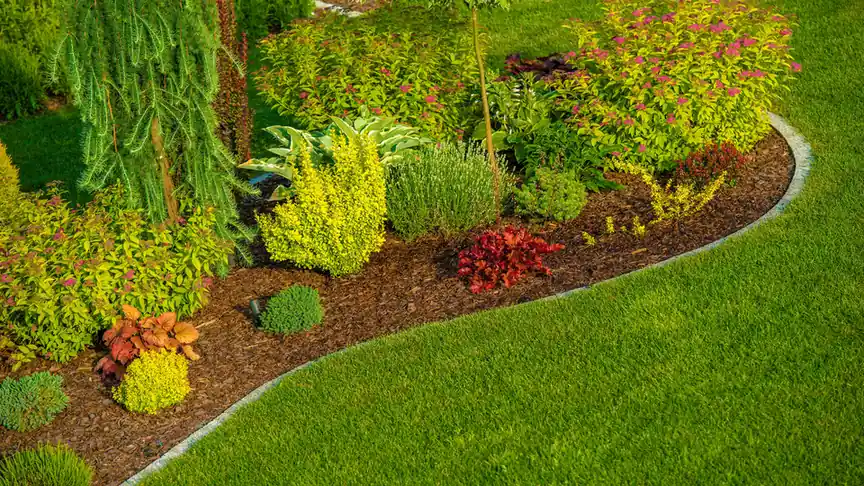
Mulching is one of the most straightforward landscaping tasks - but there's a difference between mulch that's applied correctly and mulch that's just spread around. The way mulch is applied affects how long it lasts, how well it suppresses weeds, and whether it helps or harms the plants it's meant to protect.
Start with bed preparation
Applying mulch over an unprepared bed is one of the most common mistakes homeowners make. Weeds that are already established will push through mulch - especially if the mulch layer is thin. Before applying fresh mulch, pull existing weeds, remove dead plant material, and edge the bed borders.
If the bed has a significant weed problem, consider applying a pre-emergent herbicide before mulching. This won't eliminate existing weeds, but it will prevent new seeds from germinating in the mulch layer. In North Florida's warm climate, weed pressure is year-round, so this step can make a meaningful difference in how long the bed stays clean.
Apply at the right depth
The target depth for most mulch applications in North Florida is 2 to 3 inches. Less than 2 inches doesn't provide adequate weed suppression or moisture retention. More than 4 inches can prevent water from reaching plant roots, create conditions for fungal disease, and cause mulch to mat and repel water rather than absorb it.
When refreshing existing mulch, check the current depth before adding more. If there's already 2 inches of mulch in place, you may only need to add a thin layer to refresh the appearance rather than a full application. Over time, beds can accumulate too much mulch if they're refreshed without checking the existing depth.
Keep mulch away from plant stems and tree trunks
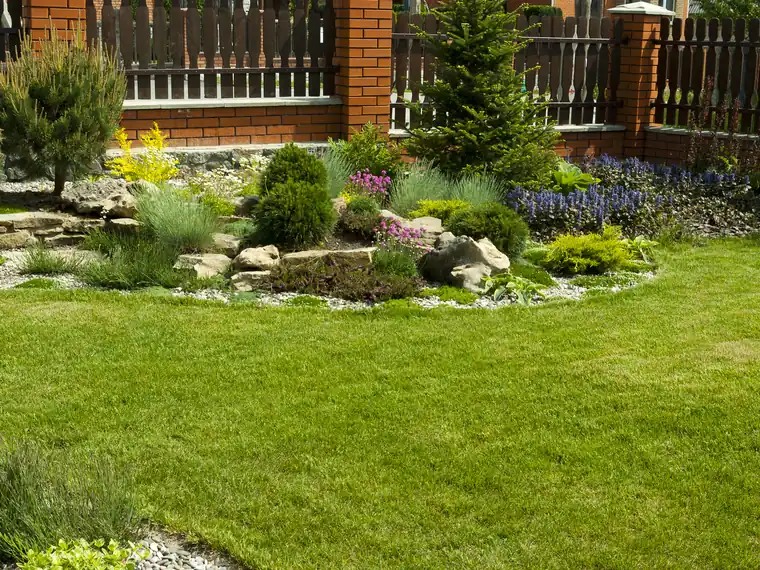
This is the most important application rule, and the one most often ignored. Mulch piled against tree trunks - sometimes called "volcano mulching" - traps moisture against the bark, which creates conditions for rot, disease, and pest infestation. The same applies to shrubs and perennials: mulch should not be in direct contact with plant stems.
Leave a gap of 2 to 3 inches between the mulch and any plant stem or tree trunk. The mulch should taper down to ground level near the plant, not pile up against it. This allows air circulation and prevents the moisture-related problems that come from direct contact.
Edge the bed before and after application
Clean bed edges make a significant difference in how long mulch stays in place. Without defined edges, mulch migrates onto the lawn during rain and foot traffic. Edging the bed before application creates a physical barrier that keeps mulch contained.
After applying mulch, use a rake or your hands to push it back from the edges slightly, creating a slight inward slope. This helps direct water into the bed rather than off the edge, and it keeps the mulch from spilling onto adjacent surfaces.
"The most common mulching mistake we see is piling it against tree trunks. It looks intentional, but it's damaging the tree. Mulch should taper away from the trunk, not build up against it."
When to refresh mulch in North Florida
In North Florida's climate, organic mulch breaks down faster than in cooler regions. Most beds need to be refreshed once or twice a year - typically in spring before the growing season and again in fall. Pine straw breaks down more slowly than wood-based mulches and may only need annual refreshing.
The visual cue for refreshing is when the mulch has faded significantly in color and the layer has thinned to less than 2 inches. Don't wait until the bed looks bare - maintaining consistent depth is easier than rebuilding from scratch.
Professional application
For larger properties or beds that need significant preparation before mulching, professional application ensures the job is done correctly and efficiently. Our Mulching service includes bed preparation, correct depth application, and clean edging as part of every job. As a Landscaper serving Crawfordville since 2013, we've mulched a wide range of residential and commercial properties in this area and know what works in North Florida's conditions.


