Retaining walls are one of the few landscaping projects that solve functional problems while also improving the appearance of a property. They're not decorative additions - they're structural solutions to real problems that affect how a yard can be used and how well it holds up over time. Understanding what problems retaining walls solve helps homeowners determine whether one is the right solution for their situation.
Erosion on sloped properties
Erosion is one of the most common problems that retaining walls address. In North Florida, where sandy soil and heavy seasonal rainfall combine to create significant erosion risk, sloped properties can lose significant amounts of soil over time. This erosion damages the lawn, exposes plant roots, and can eventually affect the stability of structures near the slope.
A retaining wall holds the soil in place by creating a physical barrier that prevents it from moving downhill. The wall doesn't just stop the visible erosion - it also addresses the underlying movement of soil that occurs below the surface during heavy rain. For properties with significant slopes, a retaining wall is often the only permanent solution to erosion.
Drainage problems and water management
Drainage problems are closely related to erosion but have their own distinct consequences. Water that runs off a slope too quickly doesn't have time to absorb into the soil - it carries soil with it and deposits it at the base of the slope, often in areas where it causes additional problems. Water that pools at the base of a slope can damage foundations, kill grass, and create conditions for mosquito breeding.
A retaining wall, when built with proper drainage behind it, slows the movement of water through the slope and allows it to absorb into the soil more gradually. This reduces runoff, reduces erosion, and prevents the pooling that occurs when water moves too quickly down a slope. The drainage component of a retaining wall is as important as the wall itself - a wall without proper drainage will eventually fail as water pressure builds up behind it.
Unusable sloped terrain
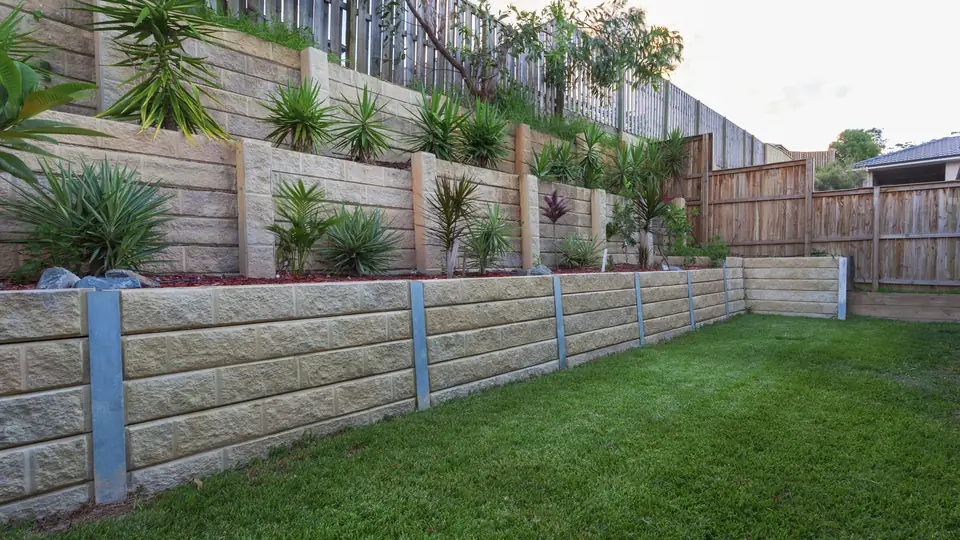
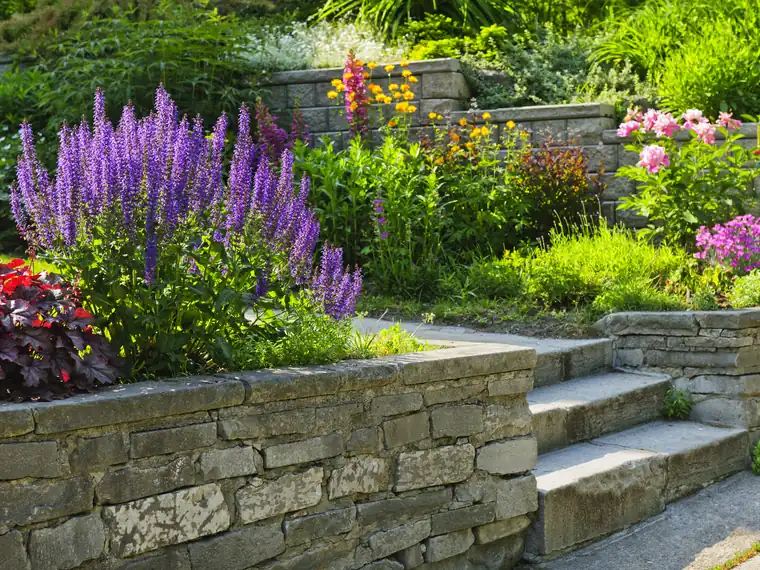
Many properties in North Florida have slopes that limit how the yard can be used. A steep slope can't be mowed safely, can't support a garden bed, and can't be used for outdoor activities. A retaining wall creates level terraces that transform unusable slope into functional space.
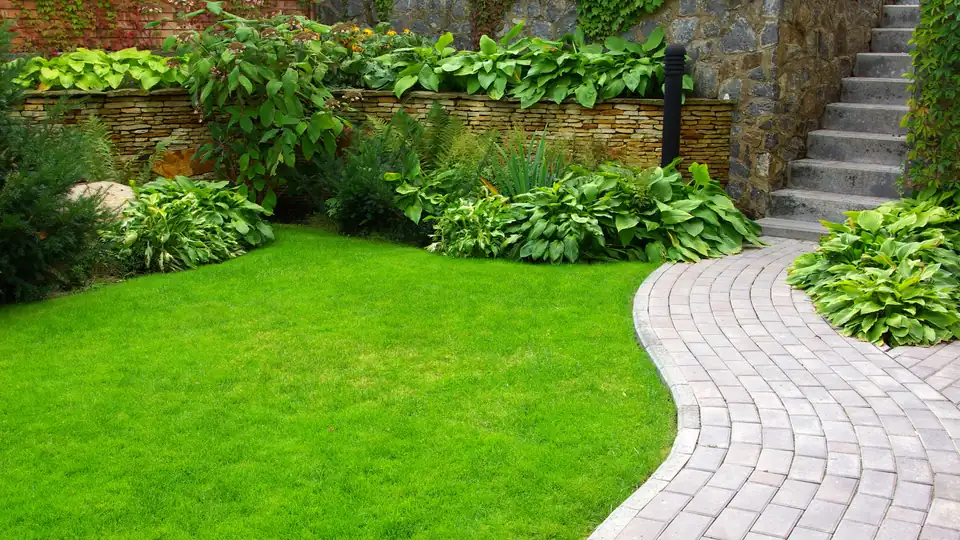
This is one of the most visible benefits of retaining wall construction - the transformation of a difficult slope into usable, attractive space. A terraced slope can support garden beds, lawn areas, seating areas, or other landscape features that wouldn't be possible on the original slope. The functional improvement is often as significant as the aesthetic one.
Soil movement near structures
Soil movement on sloped properties can affect structures near the slope - driveways, walkways, patios, and in some cases, foundations. As soil erodes or shifts, it can undermine the base of these structures, causing cracking, settling, and eventual failure. A retaining wall stabilizes the soil and prevents this movement from affecting nearby structures.
This is a particularly important consideration for properties where a slope is close to a driveway or the home's foundation. Addressing soil movement with a retaining wall is significantly less expensive than repairing a damaged driveway or foundation after the fact.
"Most homeowners think of retaining walls as a landscaping feature. They're actually a structural solution. The aesthetic benefit is real, but the functional benefit - stopping erosion, managing drainage, stabilizing soil - is what makes them worth the investment."
Creating defined planting areas
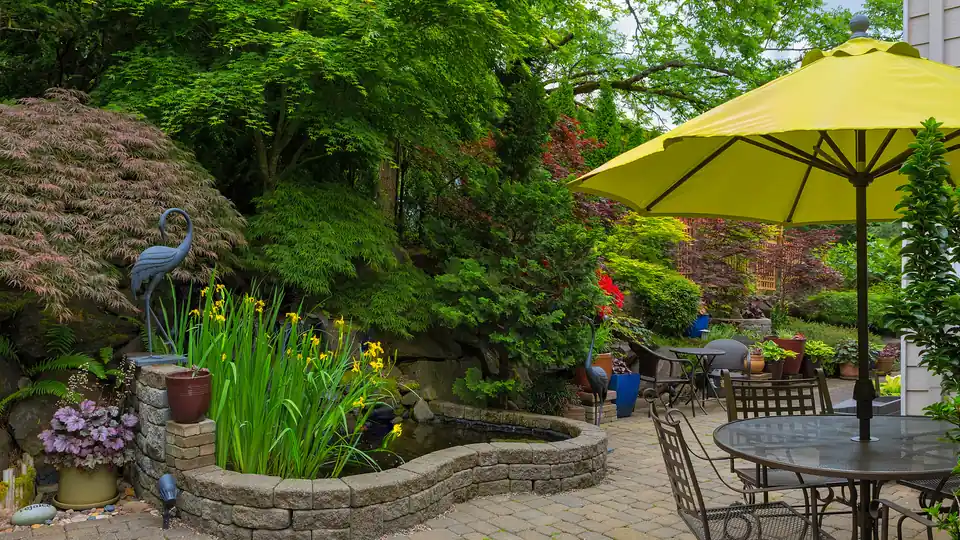
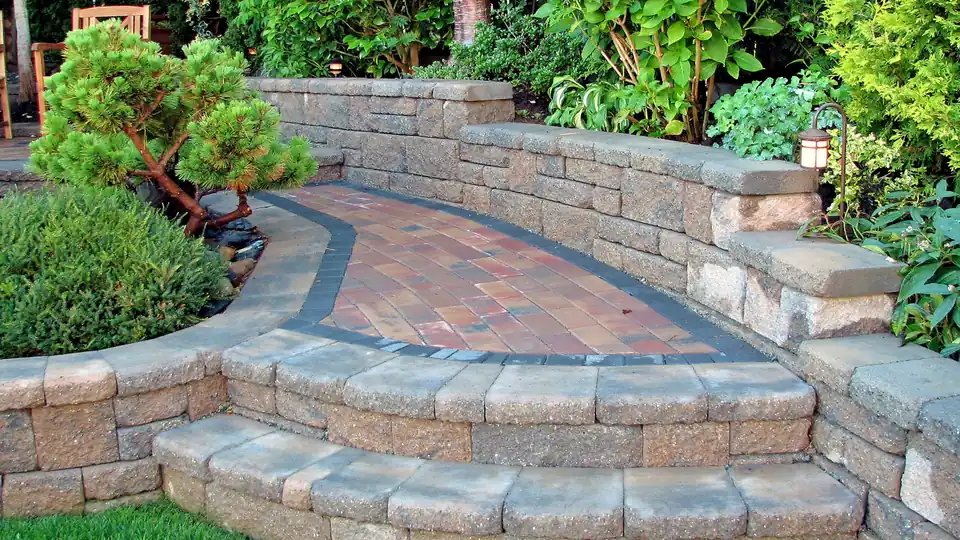
Beyond solving structural problems, retaining walls create defined planting areas that are easier to maintain than open slopes. A raised bed created by a retaining wall has clear boundaries, better soil retention, and improved drainage - all of which make it a better environment for plants than an open slope.
In North Florida's climate, where heavy rain can wash mulch and soil off slopes quickly, the containment provided by a retaining wall makes a significant practical difference. Plants in a walled bed are more stable, better watered, and easier to maintain than plants on an open slope.
Professional retaining wall construction
Our Retaining Wall Construction service includes site assessment, drainage planning, and construction using appropriate materials for the conditions. As a Landscaper serving Crawfordville since 2013, we've built retaining walls across a range of residential and commercial properties in this area and understand the local soil and drainage conditions that affect wall performance.